 Churchreaders
As Christians, we know that there is only one way to find true joy – through Jesus Christ. And we also know that finding a church that shares our beliefs and values is key to finding that joy. That’s why it’s so important to do your research when it comes to choosing a church. You don’t want to build a church only to have it fail within a few years. Here are some tips on how to choose the right church for you.
Types of Churches
There are a variety of different types of churches, each with its own unique history and purpose.
One type of church is the Protestant church. Protestant churches trace their roots back to the Protestant Reformation, which was a time when Protestants broke from the Roman Catholic Church. Protestants believe in salvation through faith in Jesus Christ alone, rather than through the actions or salvation of any other person or object. Protestant churches can range from small congregations to large denominations. Some Protestant churches also have schools and hospitals associated with them.
Catholic churches are another type of church that traces its roots back to antiquity. The Catholic Church is divided into two main branches: the Latin (or Roman) Catholic Church and the Eastern Orthodox Church. The Latin Catholic Church follows the teachings of the Council of Trent, while the Eastern Orthodox Church does not. The Catholic Church teaches that salvation comes through faith in Jesus Christ and his atonement for sin, as well as through sacraments such as baptism and communion. Catholics also believe in sin forgiveness through repentance and holy Communion (the Eucharist).
Church size is also a important consideration when choosing a church to attend. Churches with smaller congregations tend to be more intimate and personal than those with larger congregations.
Planning a Church Building Project
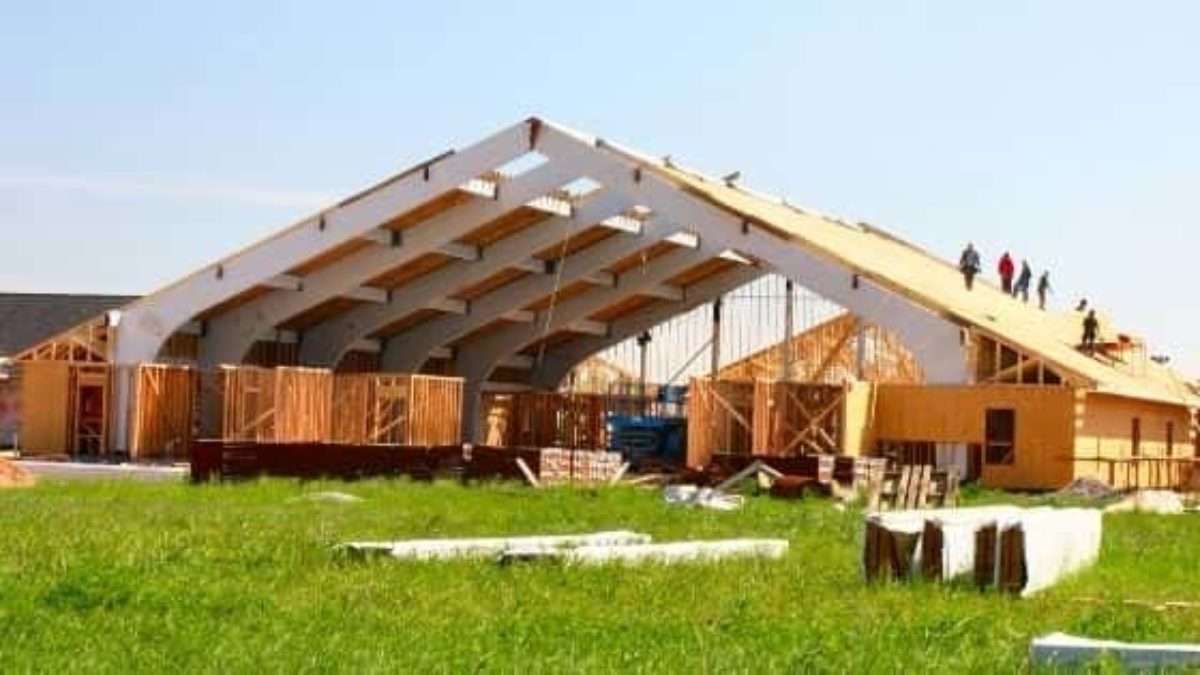
Church buildings are expensive to construct, regardless of the size or scope of the project. The following are some important factors to consider when planning a church building project:
1. Location
Location is one of the most important factors to consider when planning a church building project. Church buildings typically require large amounts of land, so it is important to select a location that can accommodate the project’s required footprint.
2. Size and Scope
Size and scope are also important considerations when planning a church building project. It is important to determine the specific needs and requirements of the church before beginning construction. For example, a small church may only require minimal infrastructure upgrades such as electricity and plumbing whereas a larger church may require more extensive renovations such as an upgraded roofing system or new heating and cooling systems.
3. Budgetary constraints
Last but not least, budgetary constraints should always be considered when planning a church building project. Cost estimates for specific components of the project can vary greatly depending on the specifics of the case, so it is important to consult with an experienced contractor prior to starting construction in order to avoid any surprises down the line.
Choosing the Right Church Site
When choosing a church site, there are several factors to consider. The location should be accessible, and the church should have enough space for its needs. Size is also important, as the church should have enough room to hold services and accommodate the congregation. The site should also be well-maintained and have a stable foundation.
Another factor to consider is the type of worship service the church will offer. If the church plans to use traditional liturgy, it may want to consider a location with easy access to Masses and other religious services. On the other hand, if the church plans to focus on outreach activities and preaching instead of traditional liturgy, it may be better off selecting a location that is less populated or has less traffic noise.
A final consideration is whether or not the church will require parking. Many churches opt for parking lots instead of building their own because they are more affordable and easier to maintain.
Designing a Church Building
Church buildings are often large and imposing, but they don’t have to be. You can design a church that is simple and elegant, depending on your budget and personal preferences.
When planning your church building, it’s important to consider the purpose of the building. A church used for worship services should be designed with a traditional look, while a community center or youth center might need a more modern look.
The size of the building also plays a role in how it should be designed. A smaller church may only need one room for services, while a larger church may need multiple rooms for different functions.
Once you have determined the purpose of the church building and its size, you can begin designing it. There are many options available when it comes to designing a church building, from using traditional materials to creating a completely new look.
When choosing materials for your church building, keep in mind what type of atmosphere you want to create. If you want a more formal feel, use traditional materials like wood or marble. If you want something more informal, choose materials like plastic or metalinstead.
Financing a Church Building Project
Church building projects can be expensive, but with the right financing options, they can also be very affordable. The following are some of the most important factors to consider when financing a church building project:
1. Location. The location of the church building will affect its cost. Churches in wealthier neighborhoods will likely cost more to build than churches in poorer neighborhoods.
2. Size and shape of the building. A church that is large and rectangular will likely cost more than a church that is smaller or shaped differently.
3. Type or style of construction. Traditional churches built with masonry and concrete may cost more than churches built with other materials, such as steel or wood.
Putting the finishing touches on your church building
Building a church can be a costly endeavor, but it doesn’t have to be. There are many ways to cut down on your costs and make the building process as simple and smooth as possible. Here are a few tips to get you started:
1. Do your research – BEFORE you start building, figure out what you need in order to have an organized and functional building.Measurements, layout ideas, materials lists – all of this information can be found online or in architectural books.
2. Choose the right construction company – There are many reputable companies out there willing to help build your church, but do your due diligence and find one that has experience working with churches of similar size and structure. Ask for references and check their credentials before awarding them the job.
3. Minimize wasteful practices – When hiring contractors, make sure they know about efficient construction methods such as HVAC planning and proper foundation preparation. This will save you time, money, and frustration down the road.
4. Establish priorities – When starting out on a church project, it’s easy to get sidetracked by minor details or goals that seem more pressing at the time. resist the urge to take on too much at once; this will only lead to headaches down the line when things go wrong or take longer than expectedto complete
Conclusion
There is no one answer to this question, as it depends on a number of factors, such as the size of your church group, what services you would like to offer, and your budget. However, we hope that our guide has given you an understanding of the different components involved in setting up a church and helped you to make an informed decision about how much money you might need to invest. If you still have questions or need help finding achurch advisor who can assist with all of your needs, please don’t hesitate to give us a call. We are here to help!
As Christians, we know that there is only one way to find true joy – through Jesus Christ. And we also know that finding a church that shares our beliefs and values is key to finding that joy. That’s why it’s so important to do your research when it comes to choosing a church. You don’t want to build a church only to have it fail within a few years. Here are some tips on how to choose the right church for you.
Types of Churches
There are a variety of different types of churches, each with its own unique history and purpose.
One type of church is the Protestant church. Protestant churches trace their roots back to the Protestant Reformation, which was a time when Protestants broke from the Roman Catholic Church. Protestants believe in salvation through faith in Jesus Christ alone, rather than through the actions or salvation of any other person or object. Protestant churches can range from small congregations to large denominations. Some Protestant churches also have schools and hospitals associated with them.
Catholic churches are another type of church that traces its roots back to antiquity. The Catholic Church is divided into two main branches: the Latin (or Roman) Catholic Church and the Eastern Orthodox Church. The Latin Catholic Church follows the teachings of the Council of Trent, while the Eastern Orthodox Church does not. The Catholic Church teaches that salvation comes through faith in Jesus Christ and his atonement for sin, as well as through sacraments such as baptism and communion. Catholics also believe in sin forgiveness through repentance and holy Communion (the Eucharist).
Church size is also a important consideration when choosing a church to attend. Churches with smaller congregations tend to be more intimate and personal than those with larger congregations.
Planning a Church Building Project
Church buildings are expensive to construct, regardless of the size or scope of the project. The following are some important factors to consider when planning a church building project:
1. Location
Location is one of the most important factors to consider when planning a church building project. Church buildings typically require large amounts of land, so it is important to select a location that can accommodate the project’s required footprint.
2. Size and Scope
Size and scope are also important considerations when planning a church building project. It is important to determine the specific needs and requirements of the church before beginning construction. For example, a small church may only require minimal infrastructure upgrades such as electricity and plumbing whereas a larger church may require more extensive renovations such as an upgraded roofing system or new heating and cooling systems.
3. Budgetary constraints
Last but not least, budgetary constraints should always be considered when planning a church building project. Cost estimates for specific components of the project can vary greatly depending on the specifics of the case, so it is important to consult with an experienced contractor prior to starting construction in order to avoid any surprises down the line.
Choosing the Right Church Site
When choosing a church site, there are several factors to consider. The location should be accessible, and the church should have enough space for its needs. Size is also important, as the church should have enough room to hold services and accommodate the congregation. The site should also be well-maintained and have a stable foundation.
Another factor to consider is the type of worship service the church will offer. If the church plans to use traditional liturgy, it may want to consider a location with easy access to Masses and other religious services. On the other hand, if the church plans to focus on outreach activities and preaching instead of traditional liturgy, it may be better off selecting a location that is less populated or has less traffic noise.
A final consideration is whether or not the church will require parking. Many churches opt for parking lots instead of building their own because they are more affordable and easier to maintain.
Designing a Church Building
Church buildings are often large and imposing, but they don’t have to be. You can design a church that is simple and elegant, depending on your budget and personal preferences.
When planning your church building, it’s important to consider the purpose of the building. A church used for worship services should be designed with a traditional look, while a community center or youth center might need a more modern look.
The size of the building also plays a role in how it should be designed. A smaller church may only need one room for services, while a larger church may need multiple rooms for different functions.
Once you have determined the purpose of the church building and its size, you can begin designing it. There are many options available when it comes to designing a church building, from using traditional materials to creating a completely new look.
When choosing materials for your church building, keep in mind what type of atmosphere you want to create. If you want a more formal feel, use traditional materials like wood or marble. If you want something more informal, choose materials like plastic or metalinstead.
Financing a Church Building Project
Church building projects can be expensive, but with the right financing options, they can also be very affordable. The following are some of the most important factors to consider when financing a church building project:
1. Location. The location of the church building will affect its cost. Churches in wealthier neighborhoods will likely cost more to build than churches in poorer neighborhoods.
2. Size and shape of the building. A church that is large and rectangular will likely cost more than a church that is smaller or shaped differently.
3. Type or style of construction. Traditional churches built with masonry and concrete may cost more than churches built with other materials, such as steel or wood.
Putting the finishing touches on your church building
Building a church can be a costly endeavor, but it doesn’t have to be. There are many ways to cut down on your costs and make the building process as simple and smooth as possible. Here are a few tips to get you started:
1. Do your research – BEFORE you start building, figure out what you need in order to have an organized and functional building.Measurements, layout ideas, materials lists – all of this information can be found online or in architectural books.
2. Choose the right construction company – There are many reputable companies out there willing to help build your church, but do your due diligence and find one that has experience working with churches of similar size and structure. Ask for references and check their credentials before awarding them the job.
3. Minimize wasteful practices – When hiring contractors, make sure they know about efficient construction methods such as HVAC planning and proper foundation preparation. This will save you time, money, and frustration down the road.
4. Establish priorities – When starting out on a church project, it’s easy to get sidetracked by minor details or goals that seem more pressing at the time. resist the urge to take on too much at once; this will only lead to headaches down the line when things go wrong or take longer than expectedto complete
Conclusion
There is no one answer to this question, as it depends on a number of factors, such as the size of your church group, what services you would like to offer, and your budget. However, we hope that our guide has given you an understanding of the different components involved in setting up a church and helped you to make an informed decision about how much money you might need to invest. If you still have questions or need help finding achurch advisor who can assist with all of your needs, please don’t hesitate to give us a call. We are here to help!


 Churchreaders