 Churchreaders
Healthcare is a vital aspect of our lives, and having the right insurance coverage plays a significant role in ensuring access to quality medical services. There are various types of health insurance plans available, and one common option is an HMO (Health Maintenance Organization) insurance plan. In this article, we will delve into what HMO insurance means, its benefits, how it works, and who can benefit from this type of coverage.
Understanding HMO Insurance
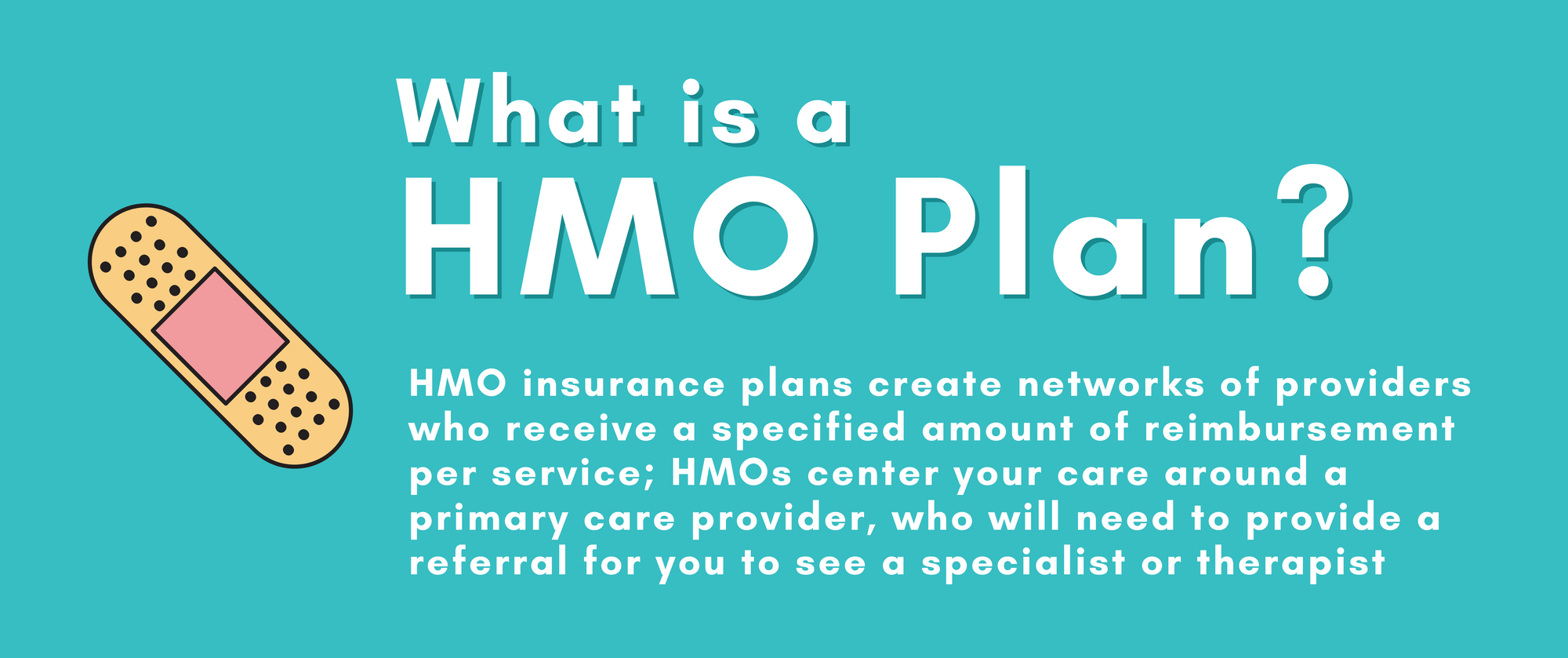
HMO insurance is a type of managed care health insurance plan that offers comprehensive coverage within a network of healthcare providers. It operates on the principle of providing care through a network of doctors, hospitals, and other healthcare professionals who have agreed to provide services to the plan’s members at pre-negotiated rates. HMO insurance plans emphasize preventive care and coordination of healthcare services.
How HMO Insurance Works
In an HMO insurance plan, members are required to choose a primary care physician (PCP) from within the network. The PCP serves as the point of contact for all healthcare needs and coordinates referrals to specialists when necessary. HMO plans typically require members to obtain referrals from their PCP before seeing a specialist, except in emergency situations.
Benefits Of HMO Insurance
HMO insurance offers several benefits to its members. These include:
- Lower Costs: HMO plans often have lower monthly premiums and out-of-pocket costs compared to other types of health insurance.
- Preventive Care: HMO plans place a strong emphasis on preventive care, covering routine check-ups, vaccinations, and screenings.
- Coordinated Care: With a PCP overseeing their healthcare, members receive coordinated and integrated care, leading to better health outcomes.
- Network of Providers: HMO plans have a network of healthcare providers, ensuring access to a wide range of medical services.
Limitations Of HMO Insurance
While HMO insurance offers many advantages, it also has certain limitations to consider. These include:
- Network Restrictions: HMO plans require members to receive care from within the network. Seeking services outside the network may result in higher out-of-pocket costs.
- Referral Requirement: Members typically need referrals from their PCP to see specialists, which can cause delays in accessing specialized care.
- Limited Coverage for Out-of-Network Care: HMO plans provide limited coverage for out-of-network care, often only covering emergency services or requiring prior authorization for out-of-network care.
- Lack of Flexibility: HMO plans may have stricter rules and guidelines compared to other types of insurance, limiting the freedom to choose healthcare providers.
Who Should Consider HMO Insurance
HMO insurance can be a suitable option for individuals who prefer a structured approach to their healthcare and value lower out-of-pocket costs. It is especially beneficial for:
- Individuals who primarily seek care within a specific network of healthcare providers.
- Those who prefer having a primary care physician overseeing their healthcare needs.
- People who want comprehensive coverage for preventive care and routine check-ups.
- Individuals who want to minimize their monthly premiums and out-of-pocket expenses.
- Those who are comfortable with the referral process for specialized care.
Key Differences Between HMO And PPO
It is important to understand the differences between HMO and PPO (Preferred Provider Organization) insurance plans, as they have distinct features. While HMO plans require members to select a primary care physician and obtain referrals for specialist visits, PPO plans offer greater flexibility in choosing healthcare providers without the need for referrals. However, PPO plans often have higher monthly premiums and deductibles compared to HMO plans.
How To Choose An HMO Insurance Plan
When selecting an HMO insurance plan, consider the following factors:
- Network Size and Coverage: Assess the network of healthcare providers to ensure that your preferred doctors and hospitals are included.
- Accessibility: Determine the convenience of accessing healthcare services within the network, considering location and travel time.
- Prescription Drug Coverage: Check if the plan covers prescription medications and if any restrictions or co-pays apply.
- Cost Considerations: Evaluate the monthly premiums, deductibles, co-pays, and any additional costs associated with the plan.
- Benefits and Services: Review the plan’s coverage for preventive care, specialist visits, hospitalization, and other healthcare services that are important to you.
Tips For Maximizing HMO Insurance Benefits
To make the most of your HMO insurance plan, consider the following tips:
- Choose a PCP who aligns with your healthcare needs and preferences.
- Take advantage of preventive care services and routine check-ups covered by the plan.
- Understand the referral process and communicate with your PCP to ensure timely access to specialized care.
- Familiarize yourself with the network of healthcare providers and their specialties.
- Keep track of your plan’s coverage limitations and guidelines to avoid unexpected costs.
Common Terms Used In HMO Insurance
To navigate HMO insurance effectively, it is helpful to understand common terms used in the context of these plans. Some important terms include:
- Premium: The amount paid periodically to maintain the insurance coverage.
- Deductible: The amount that needs to be paid out-of-pocket before the insurance coverage kicks in.
- Co-payment (Co-pay): A fixed amount paid by the insured at the time of receiving specific healthcare services.
- Out-of-Pocket Maximum: The maximum amount the insured person is responsible for paying in a given year.
- Network Provider: Healthcare professionals and facilities that have an agreement with the HMO plan to provide services at negotiated rates.
- Out-of-Network Provider: Healthcare professionals and facilities that do not have an agreement with the HMO plan, resulting in higher out-of-pocket costs for the insured.
How To Find HMO Insurance Providers
To find HMO insurance providers, you can:
- Conduct Online Research: Use insurance comparison websites or visit insurance company websites to explore available HMO plans.
- Seek Recommendations: Ask friends, family, or healthcare professionals for recommendations on reputable HMO insurance providers.
- Contact Insurance Brokers: Consult insurance brokers who can provide personalized guidance and help you find suitable HMO plans based on your needs.
- Check with Employers: If you receive insurance through your employer, inquire about HMO options they offer.
Conclusion
HMO insurance, or Health Maintenance Organization insurance, is a type of managed care health insurance plan that provides comprehensive coverage within a network of healthcare providers. It offers numerous benefits, including lower costs, preventive care emphasis, and coordinated care through a primary care physician. However, there are limitations to consider, such as network restrictions and referral requirements. HMO insurance is suitable for individuals who prefer a structured approach to their healthcare and value cost-effective coverage.


 Churchreaders