 Churchreaders
Weddings are one of the most important events in a person’s life. They signify the start of a new chapter — and often, the end of an old one. So, when you’re planning your wedding, it’s important to keep in mind the cost. Not only will this help you plan for the big day, but it will also give you an idea of how much money you can save by finding a vendor who specializes in Catholic weddings. Below is a list of some general costs associated with Catholic weddings, as well as some tips for finding affordable wedding vendors. Read on for more information. ###
The Cost of a Catholic Church Wedding
A Catholic Church wedding can be an incredibly beautiful and memorable event. But, like any other big ticket item, it can also be expensive. Here’s a breakdown of the average cost of a Catholic Church wedding:
The ceremony alone typically costs around $2,000. This includes things like the priest’s fee, flowers, and any other necessary supplies.
Then there are the reception costs. These can vary depending on how big the wedding is and what type of food and beverage services you choose to include. However, on average, a typical wedding banquet will run about $4,000. This includes everything from hors d’oeuvres to main course dishes and desserts.
Finally, there are the additional costs associated with planning a Catholic Church wedding. For example, you’ll need to hire a photographer or videographer to capture your special day in pictures or video. And don’t forget the fees for venues like churches or chapels – these can amount to hundreds of dollars per event! So add up all of these expenses and you’re looking at an approximate cost of $6,000 – $8,000 for a typical Catholic Church wedding.
Venues That Offer Catholic Weddings
Catholic weddings can be expensive, depending on the location and type of service. Catholic churches typically charge a ceremony fee plus the cost of the wedding itself. Some churches also have mandatory chapel fees for couples who want to get married in a chapel rather than a traditional Catholic wedding venue.
Many couples opt for an outdoor Catholic wedding ceremony as this often costs less than holding the ceremony indoors. Options for outdoor ceremonies include churchyards, parks, and gardens. Depending on the area, you may also be able to have your ceremony at a resort or spa.
If you are interested in hosting your own Catholic wedding, check into local caterers and florists who offer Catholic-themed weddings. Also make sure to investigate what services are offered by your chosen venue before booking it so that there are no surprises when it comes time to pay!
What to Expect at a Catholic Church Wedding
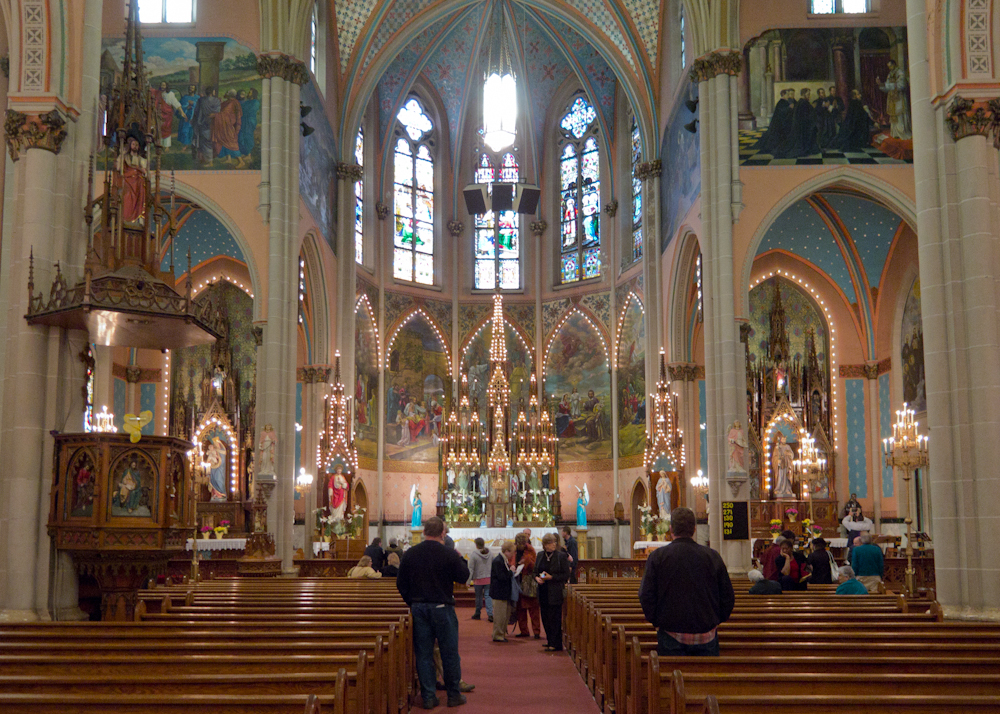
When you walk into a Catholic church for a wedding, be prepared to feel like you’ve stepped back in time. The architecture, the decor, and the ritual all embody centuries of tradition. If you’re planning your own Catholic wedding, there are a few key things to keep in mind.
First and foremost, Catholicism is a very elaborate faith with many customs and traditions that must be followed if you want your ceremony to be considered valid. Here are some of the most important things to know if you’re planning your own Catholic wedding:
The Wedding Ceremony:
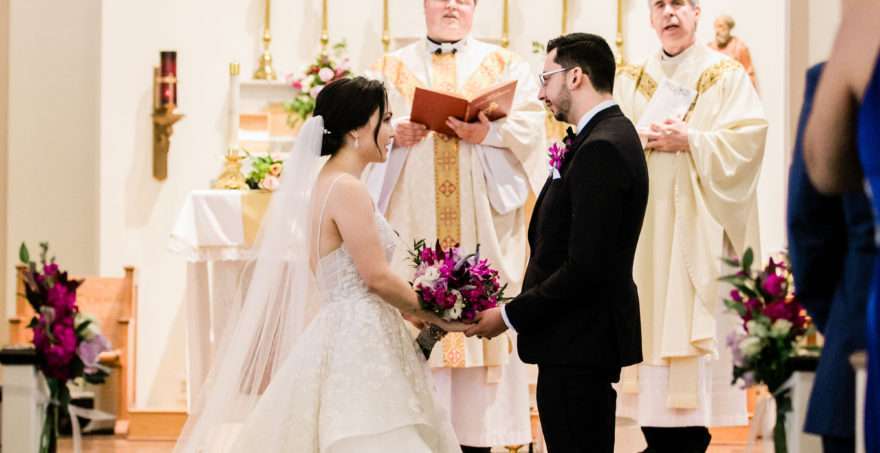
Catholic weddings typically follow a traditional ceremony known as the marriage service. This service typically includes readings from religious scriptures, prayers spoken by the bride and groom’s priests or ministers, and a marriage contract read aloud by either party’s witnesses. Following this service, the couple is officially married.
Reception:
After the wedding ceremony is complete, guests are invited to gather in the church for refreshments or drinks before departing for their private celebrations. Many couples choose to have their reception at either their home or another location close by where friends and family can gather together following their special day.
Vows:
Before getting married, both bride and groom take an oath called the “covenant” which promises to love one another unconditionally and forsake all others (including any previous marriages). This oath is taken before family members, friends, clergymen/women presiding over the ceremony, and usually
Tips for Planning a Catholic Church Wedding
1. Start planning your Catholic Church wedding as soon as possible in order to avoid hidden charges and unforeseen expenses.
2. Request a breakdown of all probable costs from the Catholic Church before you get married so that you are aware of any potential expenses that may come up.
3. Ask around for wedding recommendations from friends and family members who have recently gotten married at a Catholic Church. This can help save you time and money on vendors.
4. Think about what type of wedding you would like to have; a traditional Catholic ceremony or an event with more contemporary elements? Your choice will impact the cost of your wedding.
5. Reserve the church early in order to ensure availability on your desired date, and be prepared to pay a fee for reservation consideration.
6. Review the pricing guide provided by the Catholic Church before booking any services, such as copyists, photographers, ministers, or caterers; these fees can add up quickly!
7. Make sure to include additional fees such as altar call (for unmarried couples wishing to participate in the Eucharist), reception dinner, and chaperones in your budget estimates in order to cover unexpected costs that may arise during your big day..
Conclusion
A Catholic church wedding can be a beautiful, special occasion. Depending on the location and size of the church, a Catholic church wedding can cost anywhere from $2,000 to over $50,000. However, there are many ways to save money on a Catholic church wedding – here are five tips: choose an affordable location , plan ahead , consult with your priest or minister about budgeting for a Catholic Church Wedding , consider hiring a coordinator to help with the planning process, and use online resources to find discounts and deals .
Weddings are one of the most important events in a person’s life. They signify the start of a new chapter — and often, the end of an old one. So, when you’re planning your wedding, it’s important to keep in mind the cost. Not only will this help you plan for the big day, but it will also give you an idea of how much money you can save by finding a vendor who specializes in Catholic weddings. Below is a list of some general costs associated with Catholic weddings, as well as some tips for finding affordable wedding vendors. Read on for more information. ###
The Cost of a Catholic Church Wedding
A Catholic Church wedding can be an incredibly beautiful and memorable event. But, like any other big ticket item, it can also be expensive. Here’s a breakdown of the average cost of a Catholic Church wedding:
The ceremony alone typically costs around $2,000. This includes things like the priest’s fee, flowers, and any other necessary supplies.
Then there are the reception costs. These can vary depending on how big the wedding is and what type of food and beverage services you choose to include. However, on average, a typical wedding banquet will run about $4,000. This includes everything from hors d’oeuvres to main course dishes and desserts.
Finally, there are the additional costs associated with planning a Catholic Church wedding. For example, you’ll need to hire a photographer or videographer to capture your special day in pictures or video. And don’t forget the fees for venues like churches or chapels – these can amount to hundreds of dollars per event! So add up all of these expenses and you’re looking at an approximate cost of $6,000 – $8,000 for a typical Catholic Church wedding.
Venues That Offer Catholic Weddings
Catholic weddings can be expensive, depending on the location and type of service. Catholic churches typically charge a ceremony fee plus the cost of the wedding itself. Some churches also have mandatory chapel fees for couples who want to get married in a chapel rather than a traditional Catholic wedding venue.
Many couples opt for an outdoor Catholic wedding ceremony as this often costs less than holding the ceremony indoors. Options for outdoor ceremonies include churchyards, parks, and gardens. Depending on the area, you may also be able to have your ceremony at a resort or spa.
If you are interested in hosting your own Catholic wedding, check into local caterers and florists who offer Catholic-themed weddings. Also make sure to investigate what services are offered by your chosen venue before booking it so that there are no surprises when it comes time to pay!
What to Expect at a Catholic Church Wedding
When you walk into a Catholic church for a wedding, be prepared to feel like you’ve stepped back in time. The architecture, the decor, and the ritual all embody centuries of tradition. If you’re planning your own Catholic wedding, there are a few key things to keep in mind.
First and foremost, Catholicism is a very elaborate faith with many customs and traditions that must be followed if you want your ceremony to be considered valid. Here are some of the most important things to know if you’re planning your own Catholic wedding:
The Wedding Ceremony:
Catholic weddings typically follow a traditional ceremony known as the marriage service. This service typically includes readings from religious scriptures, prayers spoken by the bride and groom’s priests or ministers, and a marriage contract read aloud by either party’s witnesses. Following this service, the couple is officially married.
Reception:
After the wedding ceremony is complete, guests are invited to gather in the church for refreshments or drinks before departing for their private celebrations. Many couples choose to have their reception at either their home or another location close by where friends and family can gather together following their special day.
Vows:
Before getting married, both bride and groom take an oath called the “covenant” which promises to love one another unconditionally and forsake all others (including any previous marriages). This oath is taken before family members, friends, clergymen/women presiding over the ceremony, and usually
Tips for Planning a Catholic Church Wedding
1. Start planning your Catholic Church wedding as soon as possible in order to avoid hidden charges and unforeseen expenses.
2. Request a breakdown of all probable costs from the Catholic Church before you get married so that you are aware of any potential expenses that may come up.
3. Ask around for wedding recommendations from friends and family members who have recently gotten married at a Catholic Church. This can help save you time and money on vendors.
4. Think about what type of wedding you would like to have; a traditional Catholic ceremony or an event with more contemporary elements? Your choice will impact the cost of your wedding.
5. Reserve the church early in order to ensure availability on your desired date, and be prepared to pay a fee for reservation consideration.
6. Review the pricing guide provided by the Catholic Church before booking any services, such as copyists, photographers, ministers, or caterers; these fees can add up quickly!
7. Make sure to include additional fees such as altar call (for unmarried couples wishing to participate in the Eucharist), reception dinner, and chaperones in your budget estimates in order to cover unexpected costs that may arise during your big day..
Conclusion
A Catholic church wedding can be a beautiful, special occasion. Depending on the location and size of the church, a Catholic church wedding can cost anywhere from $2,000 to over $50,000. However, there are many ways to save money on a Catholic church wedding – here are five tips: choose an affordable location , plan ahead , consult with your priest or minister about budgeting for a Catholic Church Wedding , consider hiring a coordinator to help with the planning process, and use online resources to find discounts and deals .


 Churchreaders