 Churchreaders
Up until fairly recently, law enforcement would usually only enter a church if there was an actual emergency. However, that all changed in April of this year when a raid on a church in Tennessee turned ugly. The raid was the culmination of a years-long investigation into the church, and it ended with the arrest of six people—all of whom were charged with various crimes, including trafficking drugs and firearms.
Is this an isolated incident? Hardly. In recent years, law enforcement has increasingly been entering churches without warrants or even any suspicion of wrongdoing. Some see this as a way to intimidate religious groups and force them to change their policies or practices. If you are a member of a church and have concerns about law enforcement entering your place of worship without proper justification, there are some things you can do to protect yourself. Read on for more information.
Church Law
Church law differs from state to state, but generally, police cannot arrest someone inside a church or religious building unless they have specific permission from the church leadership. This permission may be given by the pastor or an authorized representative, such as a board member. In some cases, police may be able to make an arrest if they have reasonable suspicion that the person has committed a crime and the arrest is necessary for law enforcement purposes.
Church Arrests
There has been a recent trend of law enforcement arresting churchgoers for things like obstruction of justice and disorderly conduct. While there is no clear answer as to why this trend is happening, one possibility is that officers are responding to complaints from parishioners about disruptive behavior. In some cases, churchgoers have been charged with crimes even though they were not actually engaging in unlawful behavior.
If you are a churchgoer who encounters police in your congregation, it is important to be aware of your rights. Police cannot arrest you simply because they think you might be breaking the law. Before you do anything, ask the officer what he or she wants from you. If you don’t feel safe speaking with them, consider recording their response using a phone or camera.
The Right To Protest In A Church
Church is one of the most sacred places for many people. Naturally, they want to be able to exercise their right to protest in a church without fear of reprisal from the authorities. However, this right is not absolute.
There are certain restrictions that the police may place on protesters in a church. For example, they may not be allowed to block entrances or impede access to services. They may also not make any noise that will disturb worshippers. Finally, they may not approach or antagonize religious leaders or members of the congregation.
What Is A Church?
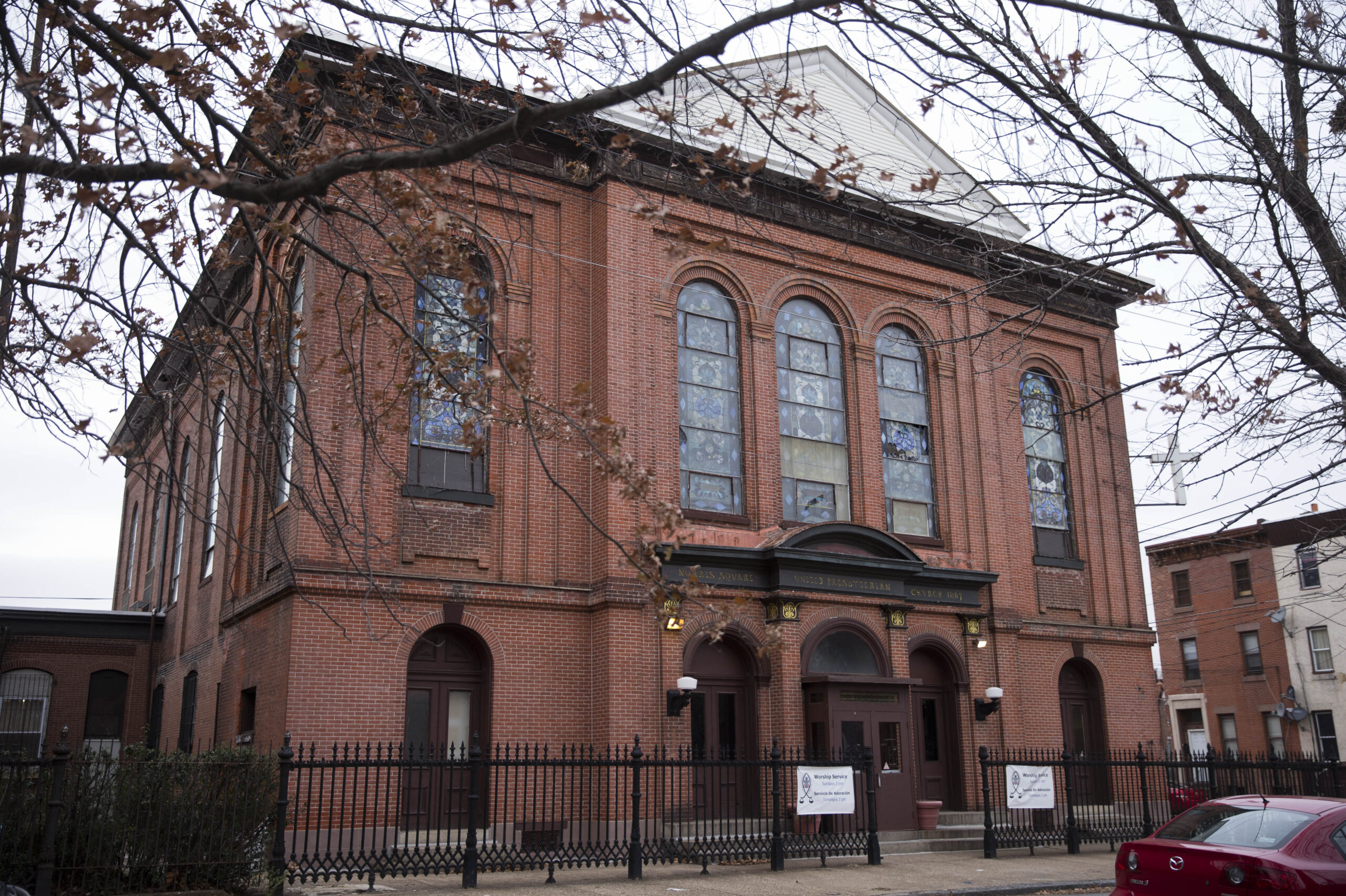
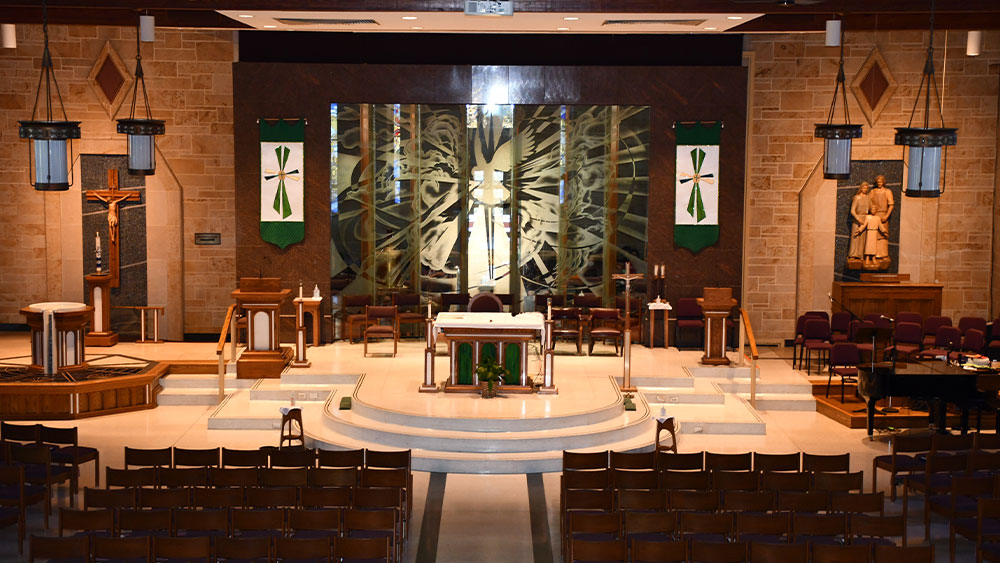
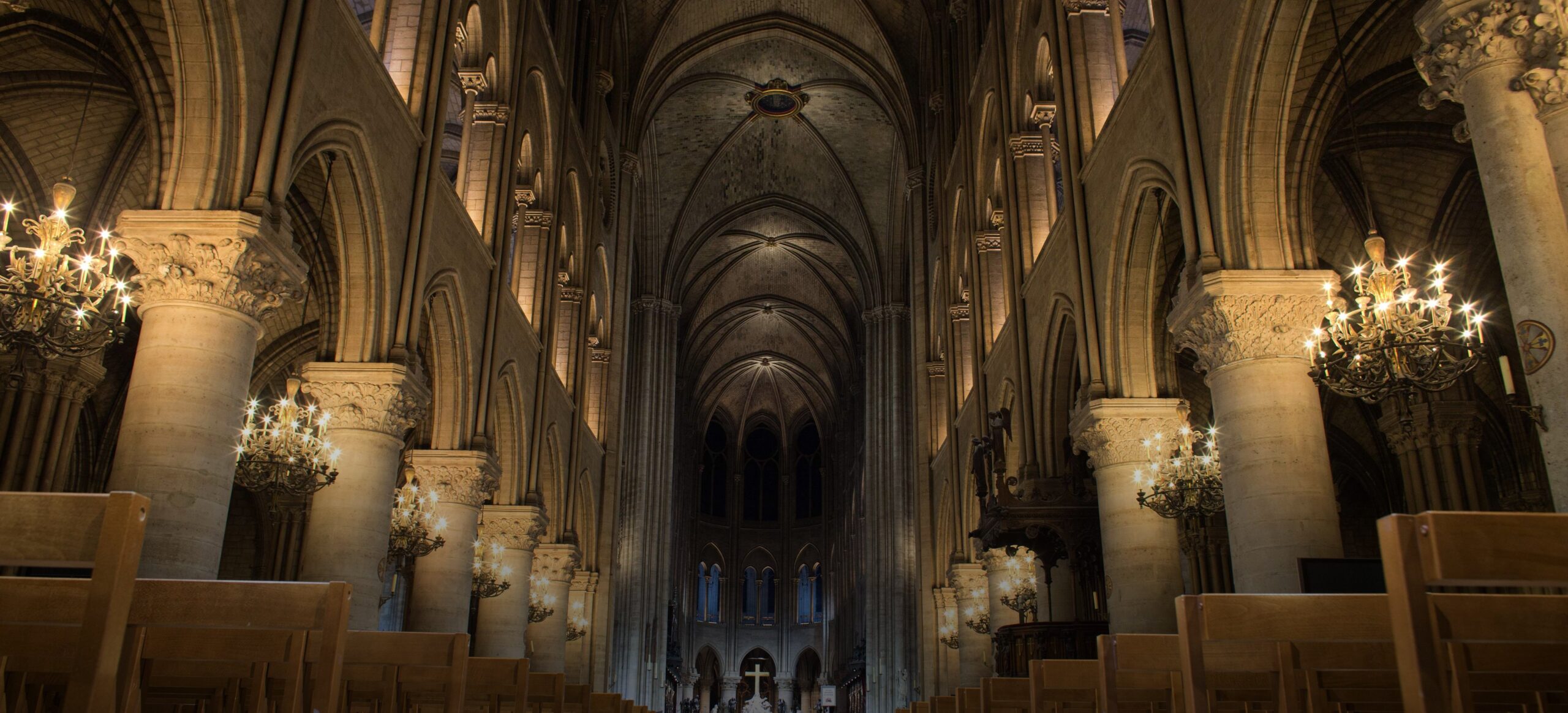
A church is a building where people go to worship God or to receive religious instruction. Churches vary in size, but they typically have a large room with a lectern on one side and rows of seats on the other. Most churches also have a courtyard or garden.
Church attendance has been declining in the United States for several decades, but it remains high in many countries around the world. In the United States, about 70 percent of adults are members of some kind of church, and about 86 percent of Americans say they believe in God.
Church authorities can arrest someone for breaking laws inside a church, but they cannot arrest someone simply because he or she is wearing clothing that identifies him or her as being part of a particular church.
Are All Churches Equally Protected By The United States Constitution?
Yes, all churches are protected by the United States Constitution. The First Amendment of the Constitution guarantees religious freedom for all Americans. This means that government cannot interfere with a church’s religious practices or restrict its freedom to speak out on political matters.
Churches are also protected from discrimination by the Equal Protection Clause of the Constitution. This clause ensures that all people in the United States are treated equally regardless of their religion.
Can Police Arrest Someone In A Church?
The answer to this question largely depends on the specific jurisdiction in which the church is located. Generally speaking, police officers are limited in their ability to make arrests inside of a church unless they have a warrant or if they are acting in self-defense. In some cases, officers may be allowed to detain someone for trespassing if they are obstructing access to the building or if they are causing a disturbance.
The Doctrine Of Eminent Domain
The doctrine of eminent domain allows police to arrest someone inside of a church if the police believe that the arrest is necessary for the public good. This doctrine arises from the fact that churches are considered to be part of the public square. This means that the government can use its power to take private property for public use if it is deemed necessary for the common good.
For example, the government can take land away from a business owner in order to build a highway or park. The same principle applies to churches. The government can use its power to take land away from a church if it believes that this will be in the public interest.
As with any legal situation, it is important to consult an attorney if you are being investigated by the police. While church law may vary from state to state, generally speaking law enforcement cannot arrest individuals inside a church unless they have a warrant. If you are being questioned by the police and believe that you might be arrested, it is important to speak with an attorney so that you can understand your rights and protect yourself from potential damage or embarrassment.

 Churchreaders