 Churchreaders
churches have a long history of endorsing political candidates. In some cases, it’s part of their faith to do so. In other cases, it’s just a tradition that’s been carried on for many years. But is it ethical for churches to endorse political candidates? Is it something that the church should continue to do? In this blog post, we will explore the pros and cons of churches endorsing political candidates and offer some advice on how you can think about doing the same.
Background
The Mormon Church has a long history of endorsing political candidates. However, the church’s recent endorsement of Hillary Clinton has sparked controversy. Some Christians believe that the church is violating its anti-political stance. Others argue that the church’s endorsement is within its rights. Is the Mormon Church breaking its own rules by endorsing Hillary Clinton?
The Question
Many Americans believe that their church should not endorse a political candidate. However, there is no clear line between church and state when it comes to politics. In some cases, churches have endorsed candidates. The Church of Jesus Christ of Latter-day Saints (LDS or Mormon Church) has been known to endorse specific candidates in the past. In 2012, the LDS Church officially endorsed Mitt Romney for president. Romney was a member of the LDS Church before he became a politician.
Some people believe that the LDS Church’s endorsement of Romney led to him winning the presidential election. Others argue that it was because Romney was a good candidate regardless of the LDS Church’s endorsement. There are many different opinions on this topic, but most people believe that churches should not endorse political candidates.
The Answer
There have been proposals to have churches endorse political candidates, with the hope that this would sway voters towards those who share the religious organization’s beliefs. However, there is no clear precedent for this and it is not clear how effective it would be. There are a few reasons why this might be the case. First, many people do not affiliate themselves with any one religion or denomination; they identify with a general set of morals or values rather than specifically belonging to one organization or group.
Thus, endorsing a specific candidate from a particular church may not resonate with them on an individual level. Second, churches are often seen as nonpartisan organizations and their endorsement of particular candidates could backfire by alienating potential supporters in other religions or sectors of society who see the church as biased. Finally, many people simply do not visit churches regularly enough to form an opinion on political candidates from within that context.
The Church And Politics
The Church and Politics
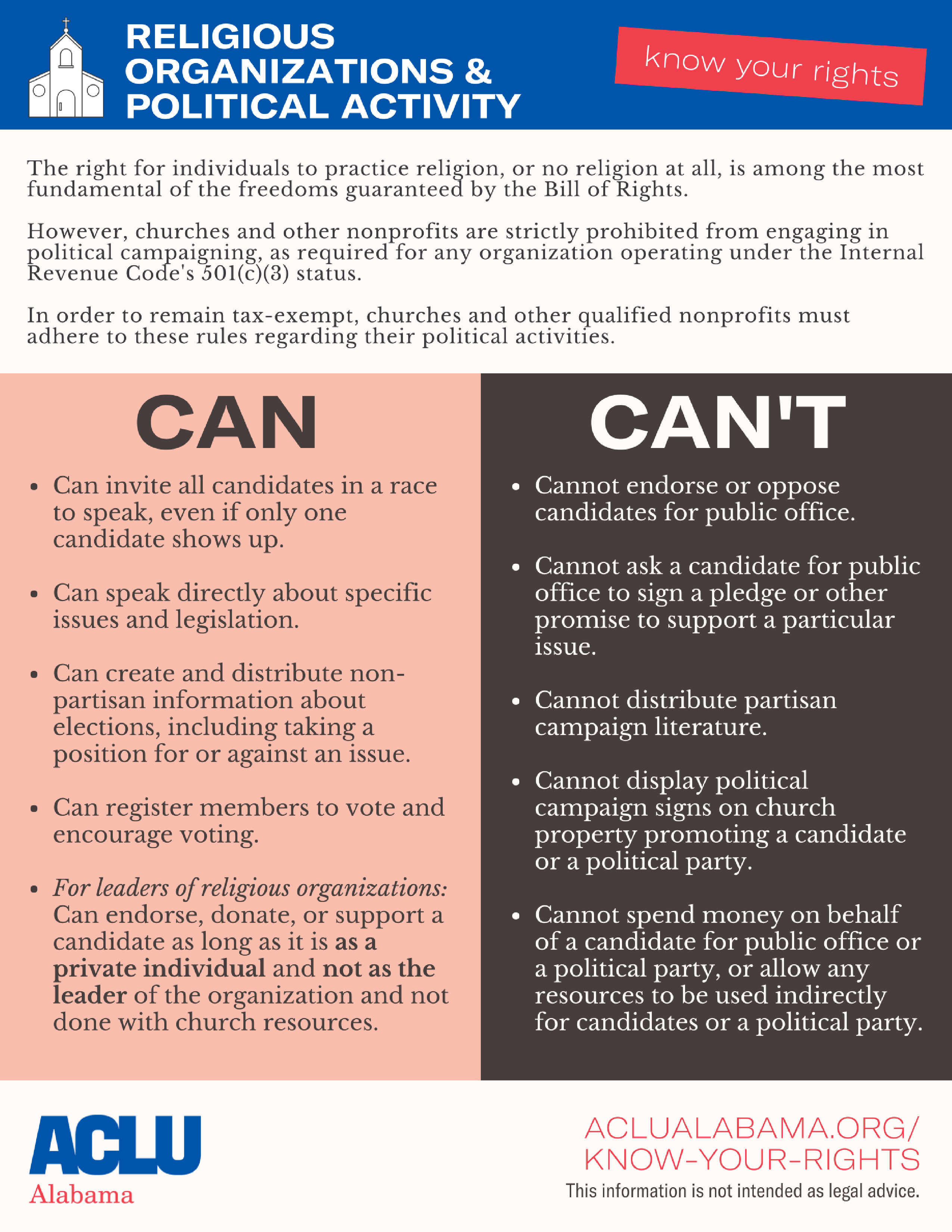
There is a long tradition of political neutrality within the church. The church does not endorse any particular political candidate, nor do they get involved in partisan politics. However, there has been an increasing trend within the church to get more actively involved in politics. Some believe that this is because the church feels its role is to help promote goodness in the world, and getting involved in politics can help achieve this. Others believe that the church should be more active because it feels like it has been left out of mainstream politics.
There are a few ways that churches get involved in politics. One way is through endorsing candidates or platforms. Another way is by organizing rallies or protests on behalf of a certain political cause. Still another way is by providing financial assistance to political candidates or organizations. Ultimately, churches decide which way to get involved in politics based on their beliefs and values.
The Pros And Cons Of An Endorsement From A Church
The Pros and Cons of an Endorsement from a Church
With the presidential election coming up, many churches are getting involved. Some are endorsing specific candidates, and others are just sending out messages of support. There are pros and cons to both approaches.
On the one hand, endorsements can be very helpful for politicians. Churches often have a large following, which means that their endorsement can influence a lot of people. In fact, one study found that endorsements from religious groups could swing up to 30 percent of the vote in a certain direction.
[1] However, endorsements can also have negative consequences. For example, when the Pope endorsed Barack Obama in 2008, some Christians felt disappointed because they had hoped he would endorse Mitt Romney.
[2] In addition, some people see endorsements from churches as preferential treatment – like the church is giving its stamp of approval to the candidate instead of assessing them on their own merits.
[3]Ultimately, it’s important to weigh the pros and cons of any endorsement carefully before deciding whether or not to make it.
A church endorsement of a political candidate can be controversial, but there are many reasons why a church might choose to do so. In some cases, churches may endorse a candidate because they share the same values as the church. Other times, churches may endorse a candidate because they believe that the candidate will best represent the church’s interests in politics. Still other times, churches may endorse a candidate simply because they think that he or she is deserving of support. No matter why a church chooses to endorse a particular political candidate, it is always important to be aware of the potential consequences of doing so.


 Churchreaders